In the winter of 1948, a 27-year-old man at his beach house in Florida dipped his fingers into the sand and pulled them towards himself. The shapes that appeared were the first step on the road to the barcode system.
Büyükannesi ile büyükbabasının evinin kumlu sahillerinde dinlenen N. Joseph Woodland, bir süpermarket müdürü tarafından ortaya atılan sorunun çözümüne dair fikirler üretmeye çalışıyordu. Stok sayımı ve ödeme kuyruklarının daha verimli hale getirilmesine dair olan bu problem için Woodland, mors kodundan ilham alarak bir çözüm üretmiştir. Kuma parmakları ile çizdiği dairesel şekiller ile ilk boğa gözü barkodu icat edilmiş oldu.
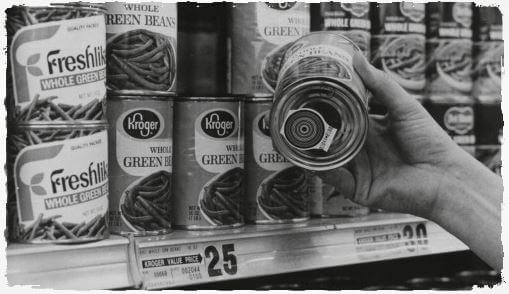
Woodland tarafından 1952 yılında boğa gözü barkodunun patenti alınmıştır. Ancak o dönemde ilgili barkodu okuma yeteneğine sahip olan lazer teknolojileri yaygın olmadığından, geliştirilen barkodun potansiyeli fark edilmemiştir. Yaklaşık 20 yıl sonra IBM çalışanı ve mühendis olan Georger Laurer tarafından bir lazer tarayıcı geliştirilmiş ve barkod sisteminin önemi o zaman net şekilde anlaşılmıştır.
Following the development of the laser scanner, the bullseye barcode was also improved, and it was decided to use straight stripes instead of circles. The commercial availability of linear, one-dimensional barcodes occurred in 1974. The barcode system began to spread after this date. The system was first used in a supermarket in Ohio.
Contents
How One-Dimensional (1D) Barcodes Facilitate Trade
Today, almost all products purchased from supermarkets feature a 1D barcode. This unique code stores information such as the product's type, size, price, and color. Resembling zebra stripes, these codes, which are universal product codes (UPC numbers), are quite common today.
These rectangular barcodes are used not only on supermarket products but also on retail goods. They are also known to be used in areas such as accounting, warehousing, and assembly lines.
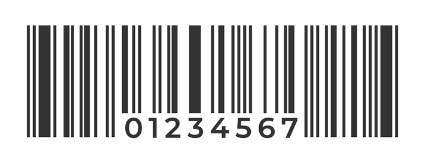 These one-dimensional codes, in addition to enabling inventory tracking and automation, have eliminated the need for manual price entry. This has resulted in a reduction in costly cash register errors and an increase in error efficiency.
Transitioning to 2D Barcodes Due to Increasing Needs
1D barkodlar başlangıçta bütün gereksinimlere etkili olarak cevap vermiştir. Ancak zaman içerisinde operasyon ve depolamadaki verimliliğin arttırılmak istenmesi, ürün paketleme ve tüketici güvenliği gibi konulardaki talepler nedeniyle yetersiz kalmaya başlamıştır. Son kullanma tarihleri, seri numaraları, internet siteleri ve benzeri türden daha fazla veri için yeni nesil barkodlara ihtiyaç duyulmuştur. Hem ticari tarayıcılar hem de kameralar ile kolay bir şekilde okunan yeni nesil barkodlara olan ihtiyaçlar, 2D barkodlar ile giderilmiştir.
2D barkodlar ilk defa 1987’de kullanılmaya başlanmıştır. Kare şeklindeki bir alanda küçük noktalarla oluşturulan bu kodlar, birçok açıdan mükemmel bir okunabilirlik sağlamıştır. Verileri sadece yatay değil, dikey olarak da temsil etmelerinden dolayı, daha küçük alanlara daha fazla veri depolanmasını sağlamıştır. Çok küçük boyutlarda dahi kolay bir şekilde okunabilen yapıya sahiptir.
2D barkodların bir diğer önemli avantajı ise yerleşik hata düzeltmeleridir. Yani kodun fiziki olarak zarar görmesi durumunda dahi veri bütünlüğü sağlanmaktadır. 2D barkodlar; sağlık, otomotiv ve elektronik alanlarında yaygın olarak kullanılır. Günümüzdeki en yaygın barkod sistemi türleri veri matrisi kodları ve QR kodlarıdır.
 QR codes are widely used today, and almost all consumers are familiar with them. Developed in 1994, QR codes initially aimed to automate automotive inventory management. However, it was later realized that this new technology could also be used in areas such as data capture, automatic identification, asset tagging, sharing supply chain information, and product tracking. With the development and widespread use of smartphones, QR codes have also begun to be used to access digital content.
Data matrix codes are codes that feature solid black lines on adjacent edges to ensure effective readability. They resemble a checkerboard with columns and rows of black and white squares. However, they are also very similar to QR codes in general. Data is read by considering the positions of the black dots. The number of columns and rows increases as the amount of data in the code increases. Due to their ability to store a large amount of data in a small area, these codes are often preferred for marking small items.
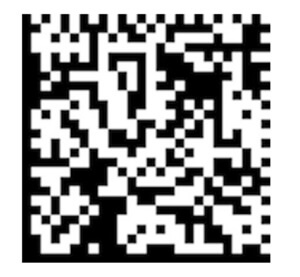 It is known to be quite useful for branding in aviation, automotive, electronics, postal and logistics services. In addition, it is also used in the pharmaceutical industry for product labeling and unit dosage.
İlginizi Çekebilir: QR Kodu ve Karekod (Data Matrix) Nedir?
Barcode technology continues to evolve
The importance given to product tracking has increased significantly due to the Covid-19 pandemic. Steps were being taken for tracking and tracing even before the pandemic. However, with the pandemic, more emphasis has been placed on tracking and tracing, and significant progress has been made in this area.
Today, tracking and tracing technologies like barcodes increase traceability, protect consumers, and contribute to combating negative aspects such as black markets. According to a recent study, the size of the tracking and tracing market in the US was $4.1 billion in 2021, and this figure is projected to reach $7.3 billion by 2026.
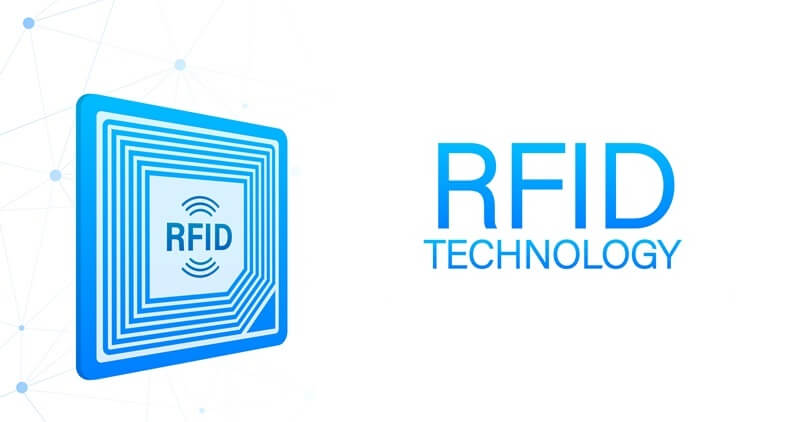 2D barcodes captured a significant share of the market in 2020. RFID technology is expected to be the most significant growth driver in this area by 2026. RFID is highly data-rich and has a greater data storage capacity compared to 2D barcodes. This contributes to inventory accuracy. Information can be retrieved from each tag within a range without the need for individual scanning.
Next Generation Barcodes
With the rise of online shopping and the increasing use of mobile phones for these purchases, consumers' demand for real-time information has increased. As e-commerce becomes more widespread, it has become even more necessary for sellers to take new steps in this area. Brand owners, manufacturers, and retailers should focus on marketing directly to consumers and prioritize consumer engagement.
Bu süreçte tüketicilerin deneyimlerinin kalitesini arttırmak temel konudur. Bunun için ürünlerin orijinalliği, menşei, tazeliği, iade ve değişim gibi konularda tüketicilere bilgi sağlanmalıdır. Bunu en iyi yapmanın yolu ve istenen bilgilerin tüketicilere sunulması için zengin taşıyıcı çözümlere yoğunlaşmak gerekir.
Barcode systems have been effectively used for approximately 50 years. New generation barcodes are rich data solutions developed to quickly provide product information without time or location constraints.
Barkodlarınızı hızlı ve okunabilir şekilde oluşturmak için yeni nesil Termal Mürekkep Püskürtmeli teknolojimizi kullanabilirsiniz. Üretim alanındaki ihtiyaçlarınız için gerçek zamanlı baskı özelliklerine sahip olan barkodlar oluşturmak için RYNAN 20 serimizi yakından inceleyin.
Pürüzlü alt tabakalara sahip alanlara başarılı bir şekilde baskı yapma yeteneği olan RYNAN R20 Reach, düz olmayan yüzeylerde etkili sonuçlar verir. Daha yüksek seviyede okunabilirlik ve daha uzun atış mesafelerine sahiptir.
 ELECTROJET, dünyadaki 65 farklı ülkede distribütörlüğü olan ve bu alanın dünyadaki öncüleri arasında bulunan Singapur merkezli Rynantech (Termal İnkjet) firmasının Türkiye ana distribütörüdür. Markalama ve kodlamaya ilişkin bütün ihtiyaçlarınız için size özel profesyonel çözümler sunuyoruz. Barkod kodlamaya ilişkin daha detaylı bilgi almak için bizimle iletişime geçebilirsiniz.
Contact us to. learn about the most suitable equipment for your business and receive FREE information about them
Sources used:
- https://www.washingtonpost.com/local/obituaries/george-laurer-an-inventor-of-the-modern-bar-code-dies-at-94/2019/12/10/75b03f6e-1b5c-11ea-8d58-5ac3600967a1_story.html
- https://www.smithsonianmag.com/innovation/history-bar-code-180956704/
- https://rynanprinting.com/blog/23/will-barcodes-live-to-see-tomorrow
- https://www.gs1us.org/DesktopModules/Bring2mind/DMX/Download.aspx?Command=Core_Download&EntryId=2277&language=en-US&PortalId=0&TabId=134
- https://www.flexpackmag.com/articles/91218-innovations-in-anti-counterfeit-packaging
- https://www.marketsandmarkets.com/Market-Reports/track-trace-solution-market-158898570.html
